


How Suction Therapy Improves Joint Mobility and Range of Motion
Key Takeaways
- Suction therapy applies negative pressure to lift skin and underlying tissue layers, which separates bound myofascial interfaces and restores joint articulation.
- Mechanical decompression stimulates local vasodilation and releases nitric oxide, which increases tissue perfusion, clears waste, and delivers nutrient-rich fluids to tight muscle groups.
- Decompressing dense connective tissue reduces friction, alters hyaluronic acid viscosity, and supports smoother gliding between muscle bellies and tendon sheaths.
- Controlled clinical trials indicate suction therapy produces acute, measurable increases in flexion, extension, and rotational range of motion across major joints.
- Combining static or dynamic suction with active movement patterns reinforces motor control, desensitizes pain receptors, and yields functional mobility gains.
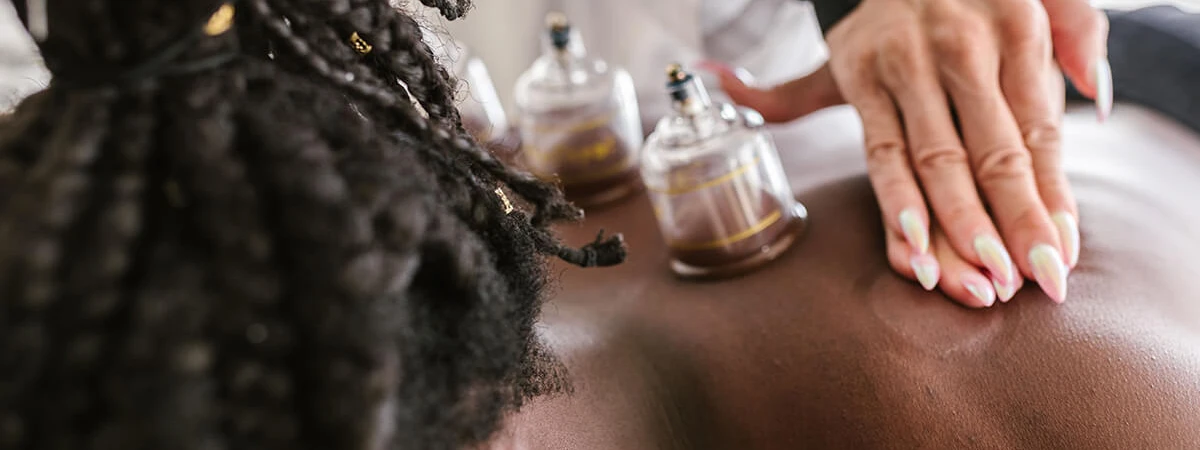
Suction therapy uses negative pressure cups to lift, separate, and mobilize soft tissue structures surrounding restricted articulations. Standard manual techniques rely on compressive forces, but decompression pulls underlying skin, superficial fascia, and muscle tissue upward to relieve mechanical tension. This mechanical lift restores structural space around joint capsules, supports sliding mechanics, and expands joint range of motion across various movement planes.
Restricted movement often stems from dehydrated fascia, adhesions, and microcirculatory stagnation rather than true bony blocks. Applying targeted vacuum pressure addresses these soft tissue limitations directly, delivering measurable improvements in functional mobility and everyday movement efficiency. Clinical research supports myofascial decompression as an effective therapeutic modality for restoring flexibility, easing mechanical strain, and accelerating physical recovery.
How Does Fascial Decompression Restore Joint Movement?
Fascial tissue wraps every muscle fiber, bundle, and functional unit in the musculoskeletal system. When repetitive strain, trauma, or prolonged inactivity occurs, collagen fibers bind tightly, causing adhesions and restricting the normal glide between tissue planes. Myofascial release through negative pressure creates vertical lift, separating stuck layers and enabling joints to move freely through their full arc.
- Separation of adherent tissue layers
Negative pressure draws superficial tissue away from deeper muscular structures. This vertical traction breaks restrictive cross-links between collagen layers, eliminating mechanical drag on surrounding tendons and allowing the joint to rotate and flex without connective tissue resistance. - Reduction of hyaluronic acid viscosity
According to findings published in the F1000 Research, mechanical deformation modifies the viscosity of hyaluronic acid within fascial layers. Thinning this internal lubricant allows adjacent muscles to slide smoothly across one another during complex multiaxial movements. - Expansion of interstitial space
Lifting the skin and superficial fascia expands the physical space between underlying anatomical planes. This decompressive action relieves pressure on small peripheral nerve endings, mitigating protective muscle guarding and letting the joint move through larger functional ranges. - Modulation of mechanoreceptor activity
Decompression stimulates Ruffini and interstitial mechanoreceptors embedded throughout connective tissue networks. This afferent stimulation dampens sympathetic tone, relaxes surrounding hypertonic muscles, and encourages local muscle groups to lengthen safely without triggering defensive contractions. - Normalization of force distribution
Tight, restricted fascia transfers uneven tension lines across articulating surfaces, accelerating wear and limiting mobility. Restoring tissue elasticity through targeted suction balances mechanical load distribution across the joint capsule, allowing smoother, symmetrical joint tracking during athletic performance and routine daily tasks. - Desensitization of nociceptive signaling
Data from the National Institutes of Health indicate that suction-induced neural stimulation activates large-diameter nerve fibers. This neural input helps interrupt peripheral pain signals before they reach the central nervous system, raising local pain thresholds and supporting broader pain-free movement arcs.
Ways Negative Pressure Increases Blood Flow and Tissue Hydration
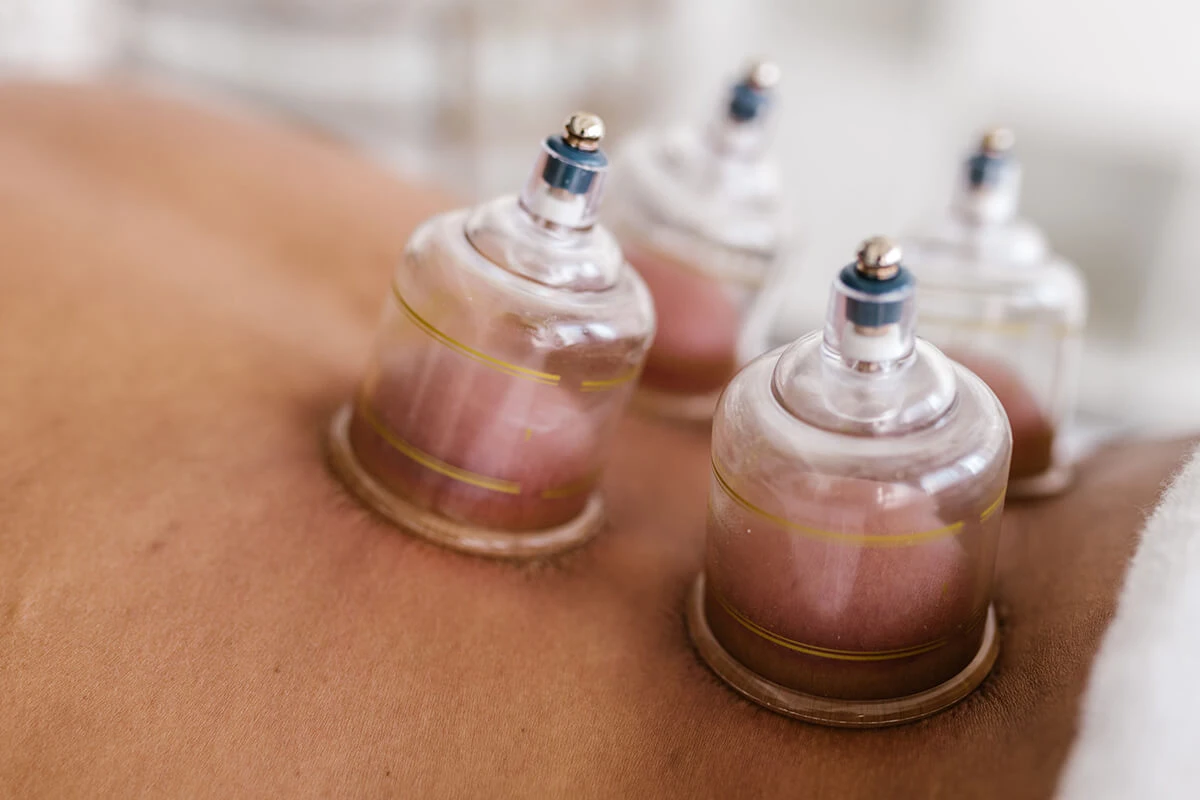
Musculoskeletal tightness often starves local tissues of fluid, leading to stiffness and sluggish cellular recovery. Suction therapy alters fluid dynamics by drawing capillary blood and interstitial fluid directly into ischemic soft tissues. This influx rehydrates dense connective tissue, flushes cellular debris, and restores tissue suppleness.
- Stimulation of localized vasodilation
According to research published by StatPearls, suction therapy stimulates the localized release of nitric oxide within the vascular endothelium. Nitric oxide triggers smooth muscle relaxation in blood vessels, which widens microcapillaries and drives nutrient-rich arterial blood directly into chronically stiff muscle fibers. - Acceleration of lymphatic drainage
Lifting soft tissue layers expands microscopic lymphatic channels, which accelerates the clearance of trapped cellular waste and inflammatory byproducts. Reducing local interstitial swelling eliminates physical bulk around joint margins, restoring smooth joint tracking and reducing mechanical resistance during active joint movement. - Rehydration of collagenous matrices
The negative pressure draws fresh systemic fluids into dehydrated fascial matrices, acting like water returning to a dry sponge. This influx restores tissue elasticity and water content, preventing brittle collagen cross-linking and preserving tissue compliance around major movement axes. - Improvement of microvascular perfusion
Clinical research demonstrates that dynamic cupping therapy increases regional perfusion rates up to several times baseline levels immediately following application. This oxygen-dense blood flow revitalizes fatigued muscle tissue, speeds cellular repair, and reduces post-activity muscular stiffness.
4 Effective Ways to Combine Cupping with Movement

Applying static suction provides passive benefits, but combining negative pressure with active kinetic patterns yields substantial improvements in functional joint capacity. This dynamic hybrid approach bridges soft tissue release with neuromuscular re-education.
- Active range-of-motion glides
Suction cups remain affixed to target muscle groups while the individual actively moves the joint through complete physiological ranges. This technique forces underlying muscle fibers to slide directly beneath the lifted fascial barrier, shearing internal adhesions and reinforcing new, expanded mobility boundaries. - Loaded functional movement patterns
Applying silicone suction cups during bodyweight movements like squats, lunges, or overhead presses trains the nervous system to utilize new joint ranges under load. This method builds tissue resilience, ensures proper kinetic chain integration, and prevents the body from reverting to old, guarded movement mechanics. - Eccentric soft tissue stretching
Placing cups over tight muscle bellies while lengthening the target tissue under controlled eccentric tension maximizes myofascial elongation. The negative pressure isolates restricted motor units, allowing deep fascial fibers to lengthen smoothly without triggering defensive myotatic stretch reflexes. - Dynamic sliding cupping
Therapists apply skin lubricants and glide pressurized cups along the direction of fascial pathways while the patient actively contracts and relaxes adjacent muscles. This technique mechanically breaks down dense scar tissue, promotes rapid fluid redistribution, and rapidly frees multi-joint kinetic chains.
Suction therapy represents a scientifically grounded method for overcoming joint stiffness, tissue adhesions, and functional movement deficits. By reversing compressive loads through targeted negative pressure, decompression restores fascial glide, drives local microcirculation, and delivers clear increases in joint range of motion. When paired with movement, it provides athletes, desk workers, and active individuals with a reliable pathway toward long-term musculoskeletal health and physical comfort.
If chronic joint restrictions, muscle tightness, or postural strain limit your daily performance, clinical decompression can help restore natural mechanics. For personalized musculoskeletal evaluations and evidence-based corrective care, contact Urban Care Chiropractic at (312) 841-5500 to schedule your appointment today.