


How Cupping Therapy Can Enhance Your Physical Therapy Results
Physical therapy provides targeted exercises, manual therapy, and vital education to help you regain your strength and optimal physical function. However, the journey to full recovery can sometimes hit plateaus. This is where complementary therapies come into play, offering an extra boost to your body’s natural healing processes. One of the most effective and increasingly popular complementary treatments used today is cupping therapy.
It is an ancient practice that has been refined and adapted for modern rehabilitative care. When intelligently integrated with a comprehensive physical therapy plan, cupping can significantly accelerate healing, reduce chronic pain, and improve overall physical outcomes.
The Synergistic Benefits of Cupping and Physical Therapy
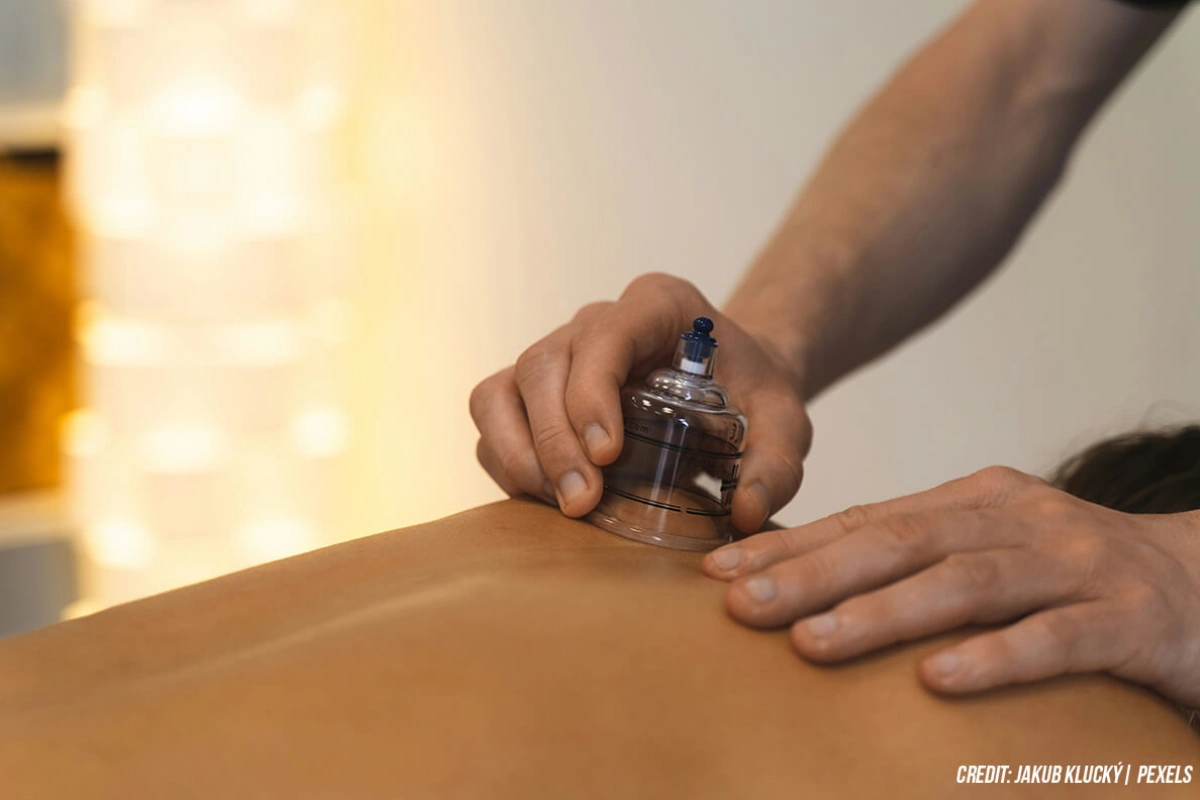
Physical therapy primarily focuses on active movement, dynamic strengthening, and joint mobilization. Cupping, on the other hand, works passively to prepare the body's soft tissues for these demanding activities. Here is a closer look at how cupping therapy directly supports and enhances physical therapy:
1. Dramatically Increasing Localized Blood Flow
One of the primary goals of physical therapy is to encourage the body to heal itself. Healing requires a robust supply of oxygen and essential nutrients, which are delivered via the bloodstream. When a cup is applied to the skin and suction is created, it acts like a localized vacuum, drawing fresh, highly oxygenated blood to the targeted area. This sudden surge of blood flow flushes out stagnant fluids, cellular debris, and inflammatory markers that frequently accumulate around injured tissues. By maximizing circulation, cupping provides the physical therapist with a healthier, warmer, and more pliable tissue to work with during exercises and stretches.
2. Releasing Myofascial Restrictions and Muscle Tension
Muscle tightness and fascial adhesions can severely limit your range of motion, making physical therapy exercises painful or even mechanically impossible. When muscles are knotted and tight, they cannot contract or stretch to their optimal length. The gentle pulling action of cupping lifts the fascia away from the underlying muscle tissue, effectively breaking up stubborn adhesions and smoothing out trigger points. This literal "ungluing" of the tissues rapidly reduces muscle spasms and stiffness. Consequently, when your physical therapist asks you to perform a specific movement or stretch, your muscles are far more compliant and capable of achieving a much greater range of motion without triggering a sharp pain response.
A study has found that “cupping therapy can decrease muscle stiffness under appropriate cupping intensities that may improve sports performance and reduce muscle fatigue and soreness.”
3. Accelerating the Reduction of Inflammation
While acute inflammation is a natural and entirely necessary part of the early healing process, chronic inflammation can severely hinder long-term recovery and cause persistent, aching pain. Cupping helps to naturally stimulate the lymphatic system, which is the network responsible for draining excess fluids and cellular waste from the body. By enhancing lymphatic drainage, cupping actively helps to clear out the chemical mediators of inflammation from a recently injured area. This rapid reduction in swelling and tissue congestion makes physical therapy modalities, such as joint mobilization and therapeutic exercises, much more comfortable and effective for the patient.
4. Modulating the Nervous System for Pain Relief
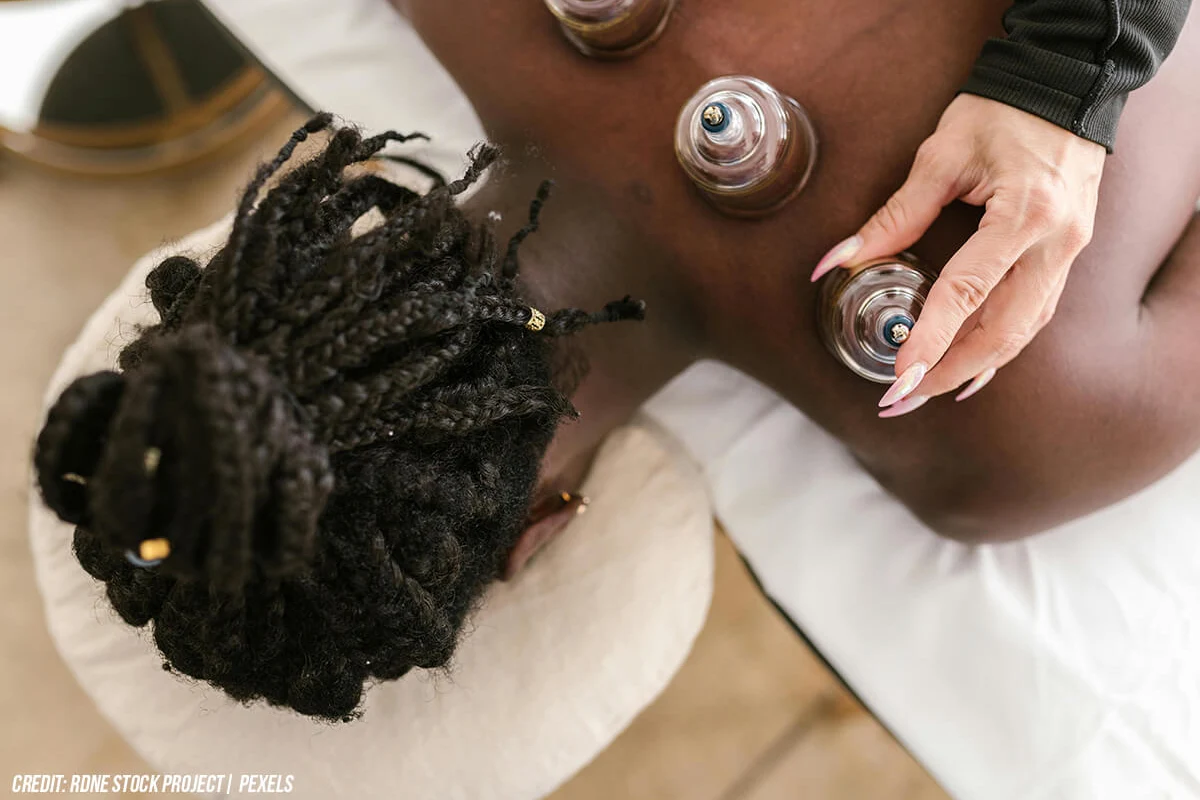
Pain is a significant psychological and physical barrier to physical therapy. If an exercise hurts too much, patients are understandably less likely to perform it correctly, leading to compensatory movement patterns that can cause further secondary injuries. Cupping has a profound, soothing effect on the central nervous system. The suction stimulates sensory nerves in the skin and superficial muscles, which can effectively block pain signals from reaching the brain—a concept known in medicine as the gate control theory of pain. Furthermore, the deep relaxation induced by a cupping session shifts the body from a sympathetic "fight or flight" state to a parasympathetic "rest and digest" state. A relaxed, pain-free body responds infinitely better to the rehabilitative efforts of physical therapy.
Conditions That Benefit Most From This Combination
While cupping can be an incredibly beneficial add-on for a wide variety of general musculoskeletal issues, it is particularly effective when combined with physical therapy for a few specific conditions, including:
- Sports Injuries: Muscle strains, ligament sprains, and IT band syndrome respond exceptionally well to the increased blood flow and deep tissue release provided by cupping, allowing athletes to return to their training schedules sooner.
- Chronic Neck and Back Pain: Postural imbalances and long hours hunched at a desk often lead to deep fascial restrictions in the back and neck. Cupping can release these rigid areas, making targeted core and spinal stabilization exercises significantly more effective.
- Plantar Fasciitis: The thick band of tissue on the bottom of the foot can become highly inflamed and micro-torn. Cupping can help gently stretch and relax the plantar fascia, perfectly complementing the stretching and strengthening exercises prescribed by a physical therapist.
- Tendinitis and Bursitis: By alleviating tension on the affected tendons and radically improving lymphatic drainage around the joint, cupping reduces the stress on inflamed areas like the shoulders and elbows, facilitating a much smoother rehabilitation process.
What to Expect During a Combined Session
If your care provider recommends integrating cupping into your rehabilitation plan, you will find the process is generally straightforward and highly relaxing. The cups are typically left in place for anywhere from five to fifteen minutes, depending on the targeted tissue and your specific recovery needs. Some practitioners may also utilize a technique known as "gliding" or "dynamic" cupping, where a therapeutic lotion or oil is applied to the skin, and the cups are smoothly moved along the muscle fibers to provide a deep, lifting massage.
It is important to note that cupping often leaves distinct circular marks on the skin. These are not bruises caused by blunt force trauma; rather, they are a harmless and natural result of blood being drawn to the surface of the skin and the successful clearing of stagnant fluids. These marks are completely normal, rarely painful to the touch, and typically fade entirely within a few days to a week.
Taking the Next Step in Your Recovery
Physical therapy requires dedication, time, and consistent effort. By incorporating complementary therapies like cupping into your routine, you can maximize the return on your physical investment, breaking through stubborn pain barriers and moving toward your ultimate recovery goals with greater ease and clinical efficiency. The strategic combination of active strengthening and passive tissue release creates an optimal environment for profound, lasting healing.
If you are ready to experience the synergistic benefits of cupping and physical therapy, the dedicated team at Urban Care Chiropractic is here to guide you on your journey to wellness. We offer comprehensive, individualized care plans designed to relieve pain, restore mobility, and improve your overall quality of life.
Do not let muscle tension and injuries hold you back from doing what you love. Contact Urban Care Chiropractic today for cupping in West Loop near you. Call 312-841-5500 or emailing us at urbancarechiro@gmail.com to schedule your consultation and discover how our integrated treatments can help you feel your absolute best.