


The Beginner’s Guide to Cupping: 6 Things to Know Before Your Appointment
You have likely seen the circular purple marks on the backs of Olympic swimmers or professional athletes during major competitions. These marks are the result of cupping, a practice that has moved from traditional clinics into the mainstream fitness and wellness world. High-profile figures use it to manage physical strain and improve recovery times.
Cupping therapy is an ancient form of alternative medicine where a provider places special cups on your skin to create suction. This process pulls the tissue upward, which is the opposite of a traditional massage that presses down on muscles. This guide explains the process, benefits, and safety steps so you can feel prepared for your first holistic healing session.
What is Cupping Therapy?
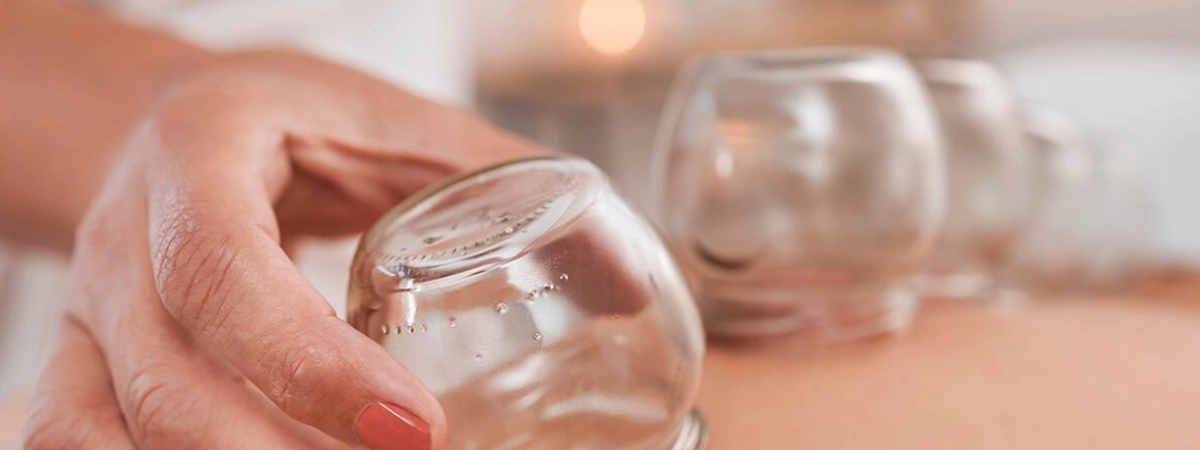
Cupping works by creating a vacuum inside glass, silicone, or bamboo jars placed on the body. This suction draws blood flow to the specific area, which proponents believe helps reduce inflammation and trigger the body’s natural healing response. The National Center for Complementary and Integrative Health (NCCIH) notes that while cupping dates back thousands of years to Egyptian, Chinese, and Middle Eastern cultures, modern interest focuses on pain management and musculoskeletal issues. By expanding the blood vessels, the treatment encourages the flow of oxygen and nutrients to tired tissues. It serves as a deep-tissue tool that focuses on the fascia—the connective tissue wrapping around your muscles—to release tension that manual stretching might not reach.
Types of Cupping
Providers use different methods depending on your specific physical needs and comfort level. Choosing the right therapeutic suction technique depends on whether you want a relaxing experience or a more intense clinical treatment.
- Dry Cupping Methods
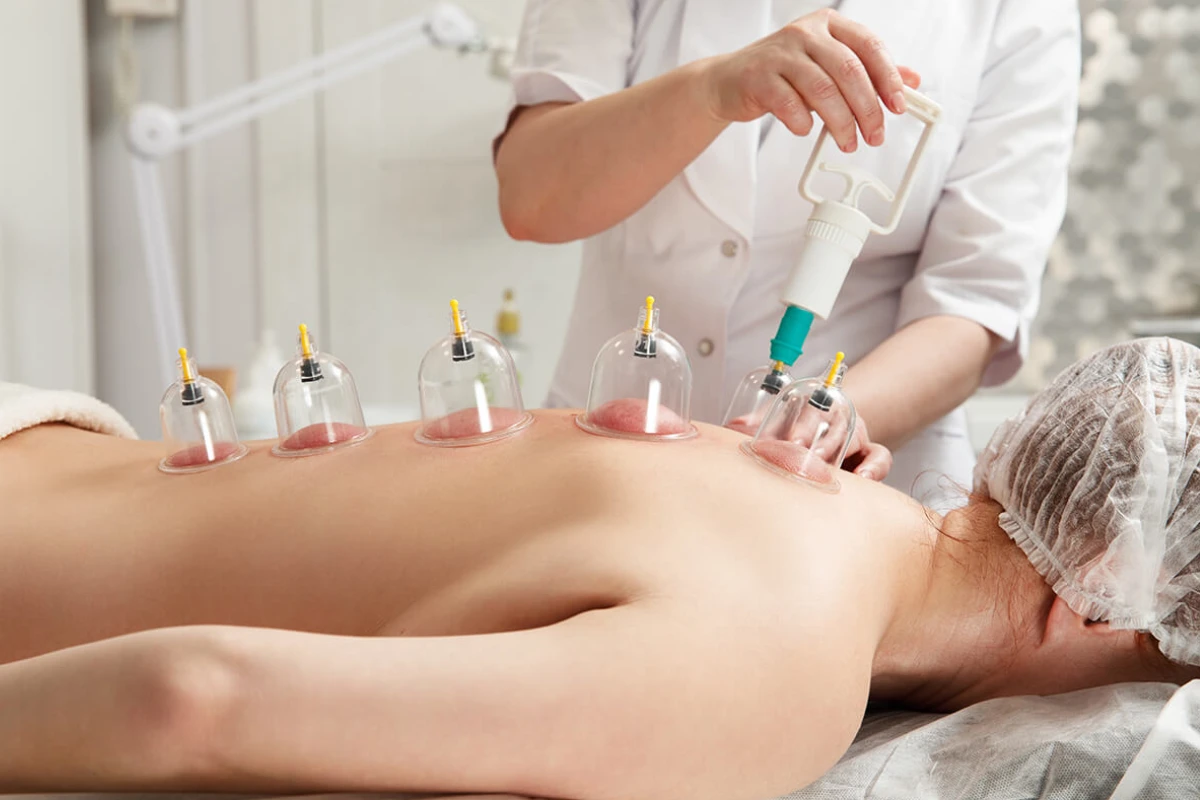
This is the most common version used in wellness centers. The provider creates a vacuum using a hand pump or heat. The cup stays in one place for several minutes. It targets specific trigger points to loosen tight muscles and improve your overall blood circulation benefits. - Moving or Gliding Cupping
The practitioner applies oil to your skin before placing the cups. They slide the cups across your back or legs while maintaining suction. This feels similar to a deep-tissue massage and covers a larger surface area to break up knots and improve fascia release therapy results. - Wet Cupping Procedures
This version involves a two-step process. After a few minutes of mild suction, the provider makes tiny, superficial nicks on the skin. They apply the cup a second time to draw out a small amount of blood, which many believe removes toxins and harmful metabolic waste.
6 Things to Know Before Your Appointment
Walking into your first session is easier when you know how to prepare your body. Following these steps ensures you get the most out of your alternative medicine treatment while keeping your skin and muscles safe from unnecessary irritation or discomfort during the process.
- Hydrate Well Beforehand
Drink plenty of water in the 24 hours leading up to your visit. Hydrated tissue is more pliable and responds better to suction. This helps your lymphatic system process the debris released during the session and reduces the chance of feeling sluggish or lightheaded afterward.
- Eat a Light Meal
Avoid going to your appointment on an empty stomach, but do not eat a heavy feast right before. A small snack provides enough energy to keep your blood sugar stable. Having a full stomach can feel uncomfortable when you are lying face down for thirty minutes.
- Expect Temporary Skin Discoloration
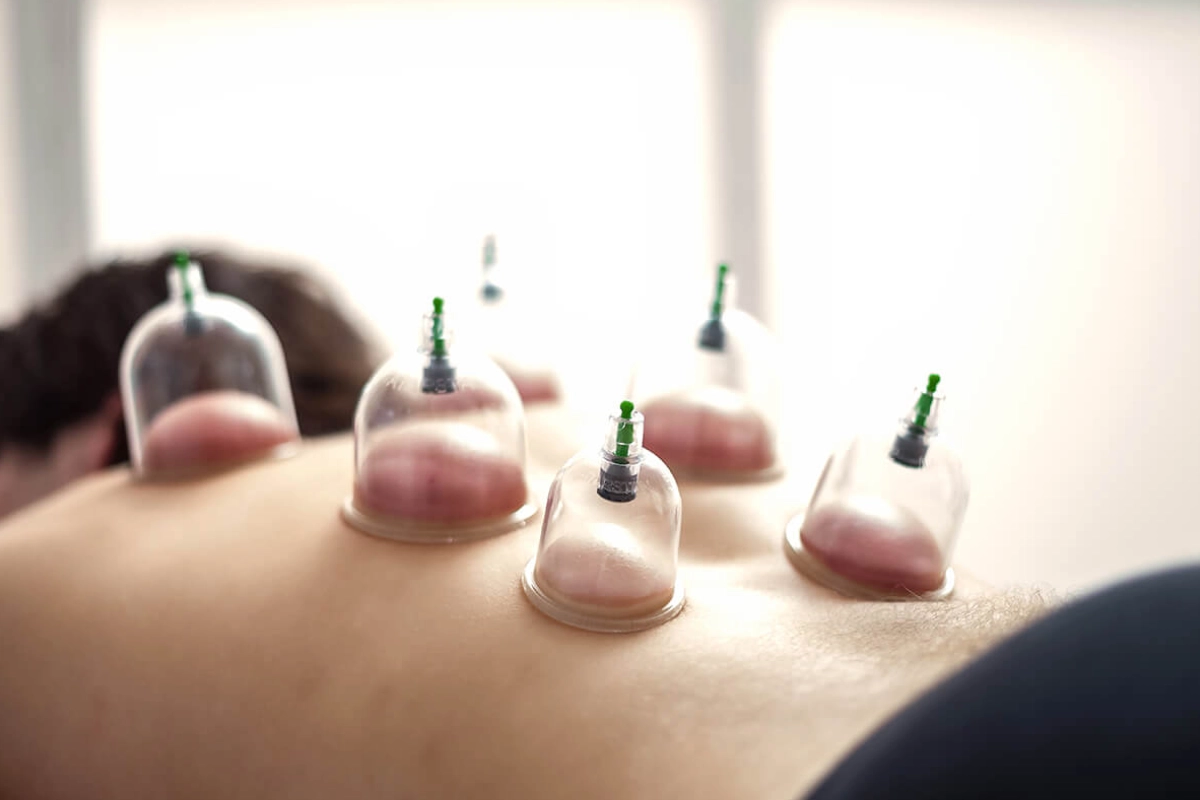
The circular marks left behind are not bruises in the traditional sense. They occur because the suction draws stagnant blood to the surface. These marks usually fade within 3 to 7 days. They are a normal part of the cupping recovery process for most new patients.
- Check Your Skin Condition
Ensure the area being treated is free of sunburns, open wounds, or active skin rashes. Suction on damaged skin can cause pain or infection. If you have very thick hair on your back, you might consider trimming it so the cups can form a tight seal.
- Review Your Medical History
Tell your provider if you take blood thinners or have a clotting disorder. The American Cancer Society and other health groups suggest consulting a doctor if you have chronic conditions. Safety is the priority when integrating integrated health services into your routine to avoid any complications.
- Plan for Post-Session Rest
Your body needs time to process the treatment. Avoid intense workouts, hot tubs, or cold swimming pools for at least twenty-four hours after cupping. Keeping the treated areas covered and warm helps your muscles stay relaxed and allows the inflammatory response to work its magic.
What to Expect During the Session
Understanding the step-by-step reality of the appointment removes the mystery. Most sessions are quiet and focused on your physical comfort, allowing you to relax while the suction cups do the heavy lifting for your recovery and muscle health.
- The Initial Skin Assessment
The practitioner will talk to you about your pain points and health goals. They examine your skin and muscle tension to decide where to place the cups. This ensures the treatment targets the exact spots where you carry the most stress or physical tightness.
- The Application of Suction
You will feel a tight, pulling sensation as the provider applies the cups. It should not feel like sharp pain, but rather a strong pinch or pressure. If the suction feels too intense, tell your provider immediately so they can adjust the vacuum pressure levels.
- The Resting Period
Once the cups are in place, you will typically lie still for five to fifteen minutes. Many people find this part very relaxing. The provider may dim the lights or play quiet music to help you settle into a state of deep physical relaxation during the wait.
- The Removal Process
The practitioner will gently release the pressure by pressing the skin near the rim of the cup. You will feel an instant release of tension. They usually wipe the area down with a warm cloth or skin-safe antiseptic to keep the pores clean and soothe the skin.
Cupping is a time-tested tool that helps many people find relief from chronic tension and sports-related soreness. While the marks might look intense, the process itself is generally gentle and non-invasive. By following these preparation steps, you ensure your body is ready to receive the full benefits of the suction. This practice bridges the gap between ancient wisdom and modern physical therapy, providing a unique way to care for your muscles and skin.
If you are ready to try this for yourself, seek out a qualified professional who understands the proper techniques. Taking the first step toward better mobility starts with a simple conversation about your needs. For professional care and expert guidance, contact Urban Care Chiropractic at (312) 841-5500 to schedule your appointment.