


How to Prepare for Your First Cupping Session: Best Practices and Aftercare
Overview
- Cupping therapy preparation begins with hydration, eating a light meal two hours prior, and wearing loose, comfortable clothing.
- The technique creates negative pressure on the skin to increase microcirculation, relieve localized tension, and support soft tissue recovery.
- People with active skin infections, bleeding disorders, severe anemia, or those using blood thinners must avoid the procedure.
- Essential cupping aftercare guidelines include drinking water, resting, and keeping treated areas covered from cold temperatures and direct wind.
- Post-treatment marks are broken capillaries under the skin, resolving naturally within several days to two weeks.
First-time cupping therapy offers a proven method for easing muscle tension, improving local blood flow, and speeding recovery. The practice uses specialized suction cups placed directly on the skin to decompress tight connective tissues.
Preparation and aftercare determine how well the body responds to treatment. Understanding the full appointment process allows patients to arrive relaxed, participate actively in their care plan, and support tissue healing after leaving the clinic.
What Is Cupping Therapy And How Does It Work?
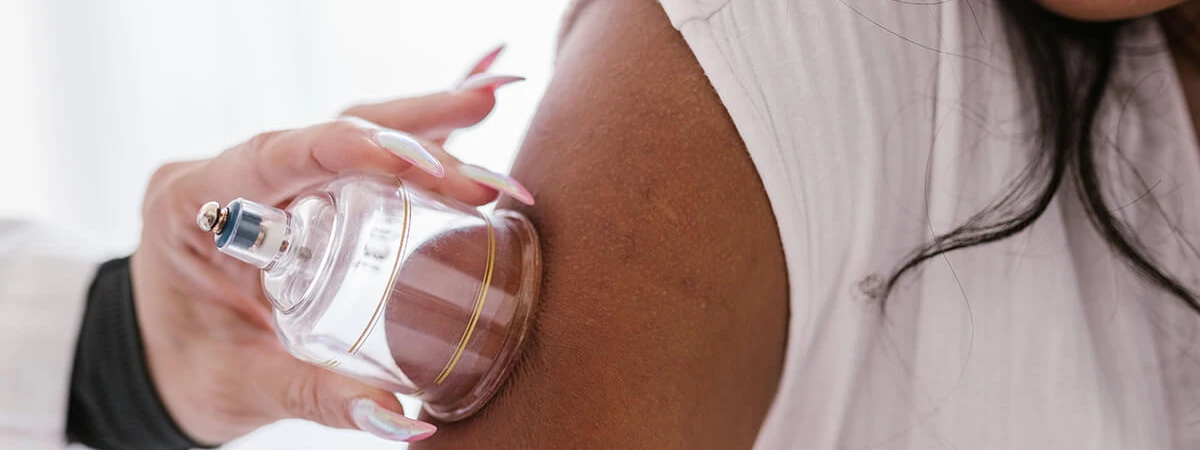
Myofascial decompression therapy uses glass, silicone, or plastic cups placed against the skin to generate negative pressure via manual suction or heat. Traditional deep tissue massage compresses muscles downward; cupping pulls tissue upward. This vacuum pulls the skin, superficial fascia, and muscle layers away from underlying structures. This mechanical lifting dilates superficial blood vessels, drawing fresh blood, oxygen, and nutrients into stagnant or strained tissues while initiating a local inflammatory healing response.
The suction draws fluid to the area, stretching tight connective tissue fibers and releasing trigger points. The distinct circular marks left behind are not standard bruises caused by blunt trauma. They represent localized ecchymosis, where minor subcutaneous capillary leakage occurs due to negative pressure. The Cleveland Clinic notes that these cupping marks indicate increased blood flow to the region and fade within one to two weeks as the lymphatic system clears cellular waste.
Common Reasons People Seek Treatment
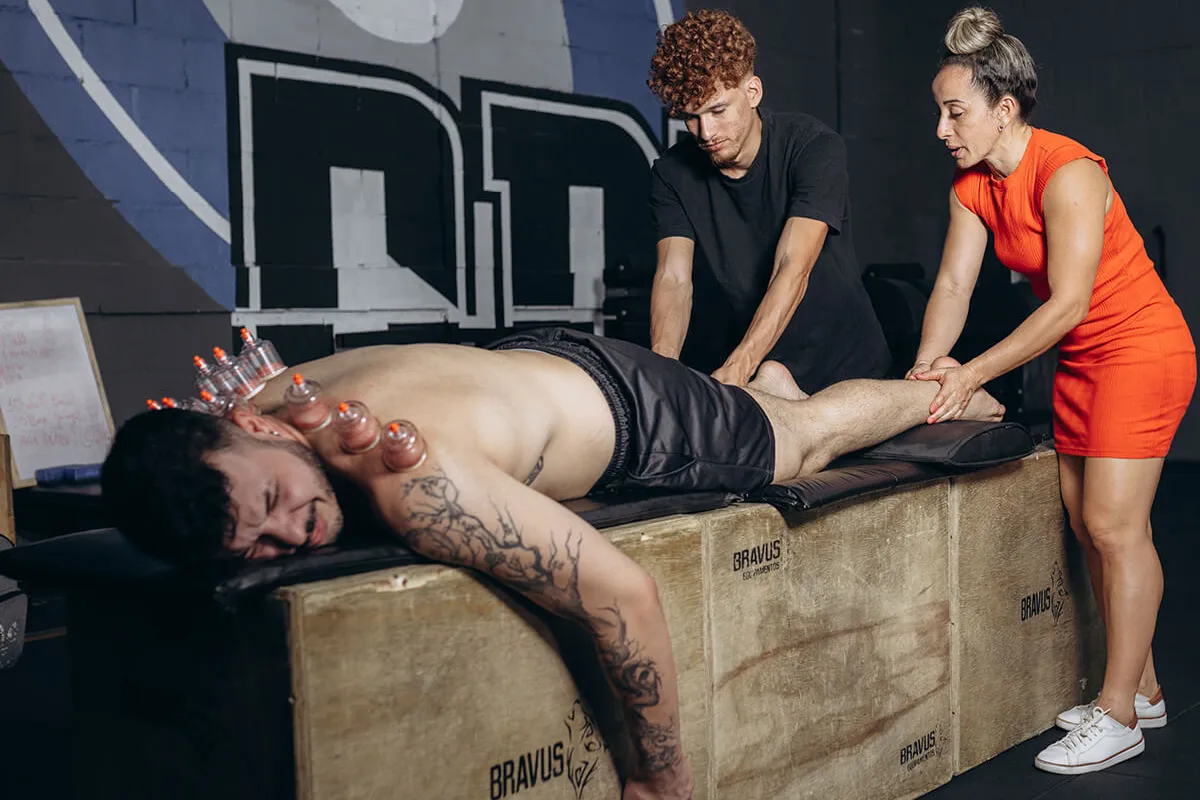
Patients choose decompression therapy treatment to address persistent musculoskeletal discomfort and functional stiffness.
- Chronic back and neck pain: Individuals experiencing persistent lumbar or cervical strain use suction therapy to reduce localized muscle spasms. The negative pressure relieves spinal tension, separates adhered fascial planes, and restores functional range of motion during daily activities, work tasks, and exercise routines without invasive procedures.
- Athletic recovery and soreness: Athletes use suction treatment to accelerate clearance of metabolic byproducts after intense training sessions. Enhanced microcirculation supplies oxygenated blood to recovering muscle fibers, reducing delayed-onset muscle soreness and shortening turnaround times between competitive sporting events, strength sessions, and field practices.
- Tension headaches: Patients with frequent tension-type headaches seek treatment targeting the upper trapezius, levator scapulae, and suboccipital regions. Decompressing these tight muscle groups reduces referred muscular pressure upward into the skull, decreasing episode frequency, overall pain intensity, and daily physical strain.
- Fascial tightness and immobility: Sedentary desk workers and physical laborers often develop dense fascial restrictions that limit everyday joint flexibility. Suction separates stiff, adhered tissue layers, hydrating the fascia and allowing smooth sliding between neighboring muscle groups for freer, pain-free bodily movement throughout the day.
4 Things You Should Do Before Your Appointment
Proper preparation ensures skin safety, minimizes physical discomfort, and allows your practitioner to work effectively.
- Hydrate thoroughly throughout the day: Drink plenty of water during the twenty-four hours leading up to your session. Well-hydrated muscle tissue and pliable fascia respond far better to decompression, releasing metabolic tension more readily while reducing the intensity of post-session soreness across treated muscle groups.
- Eat a light meal two hours prior: Consume a small, balanced snack or meal before arriving at the clinic. Treatment alters local circulation, which can cause mild lightheadedness on an empty stomach. Avoid heavy, greasy meals immediately before lying face down on a treatment table.
- Wear loose, comfortable clothing: Choose open-collared shirts, gym shorts, or easily removable garments. Loose clothing prevents friction against sensitive skin after your appointment and gives your practitioner direct access to treatment sites like the back, shoulders, hamstrings, or hips without restriction.
- Avoid shaving treatment areas: Do not shave or wax treatment zones within four hours of your appointment. Hair removal strips protective epidermal layers, leaving micro-abrasions that become irritated, inflamed, or painful when subjected to strong suction cups and therapeutic massage oils.
What Can You Expect During The Session?
Knowing each stage of a professional suction therapy session helps you relax and communicate clearly with your provider.
- Initial assessment and skin check: Your provider reviews your health intake form, examines skin integrity, and identifies target areas of muscle tightness. They discuss pressure tolerances, set clear treatment goals, and ensure no medical contraindications exist before having you lie comfortably on the padded treatment table.
- Cup application and suction creation: The practitioner places glass, silicone, or plastic cups on specific muscles, creating suction using a mechanical pump or heat. You will feel a firm, tight pulling sensation as skin and superficial muscle layers lift upward into each cup cavity.
- Static or dynamic movement phase: Cups remain stationary for five to fifteen minutes during static treatments. In dynamic sessions, the provider applies oil and glides cups across muscle pathways, creating a rolling pulling sensation that decompresses broad regions of tight fascia and muscle bands.
- Cup removal and cleanup: The practitioner releases the vacuum seal on each cup, relieving the pulling pressure immediately. They clean residual massage lotion from your skin, inspect the resulting circular discolored marks, and give you time to sit up slowly to prevent lightheadedness.
6 Essential Aftercare Rules to Follow
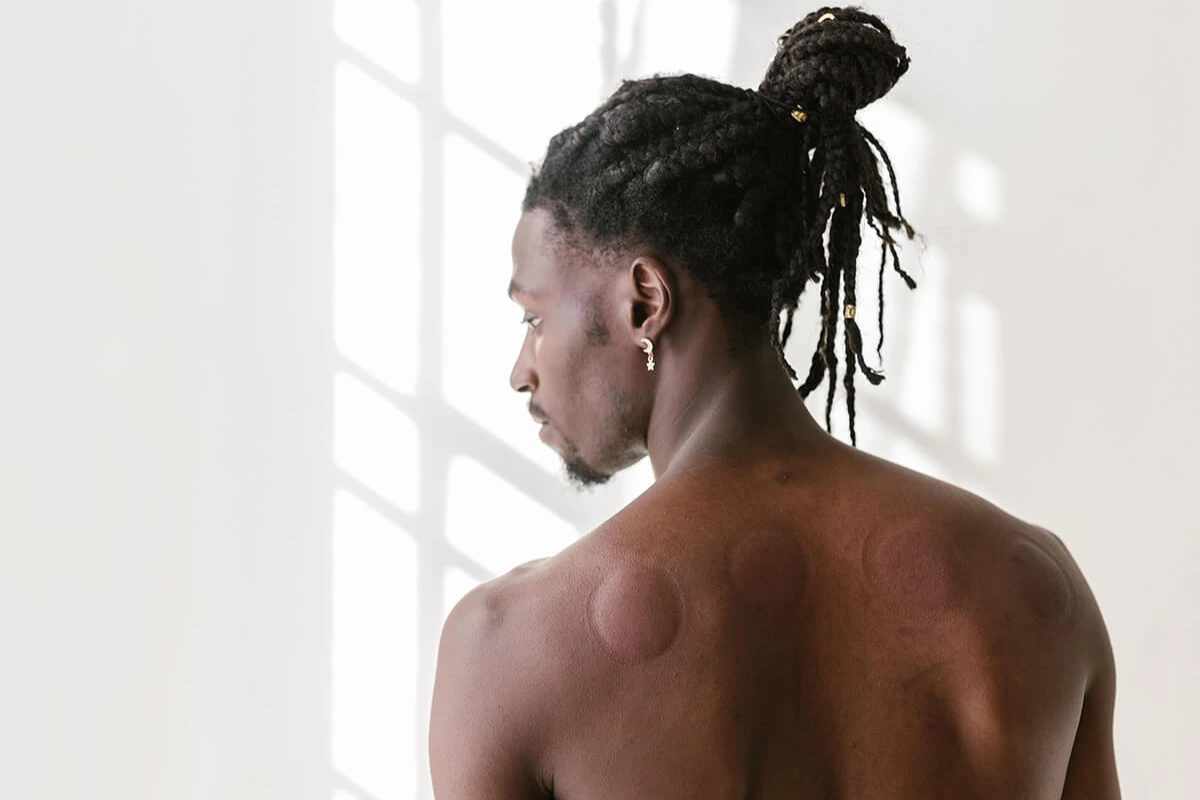
Following systematic post-cupping recovery steps protects sensitive skin, clears tissue waste, and maintains muscular relaxation.
- Keep treated areas covered and warm: Protect suction marks from cold drafts, air conditioning, and wind for twenty-four hours. Negative pressure opens surface pores and dilates superficial vessels; exposure to cold temperatures causes underlying muscles to contract rapidly, creating stiffness and negating treatment gains.
- Drink extra water and electrolytes: Consume extra water to support lymphatic drainage and cellular recovery. Enhanced microcirculation mobilizes metabolic waste from previously stagnant tissues; adequate systemic hydration assists your kidneys and lymphatic vessels in filtering and eliminating these cellular byproducts efficiently over several days.
- Avoid hot showers, baths, and saunas: Steer clear of hot water, steam rooms, saunas, and hot tubs for twenty-four hours. Treated skin remains sensitive and vulnerable to heat damage; hot water increases capillary dilation, worsening swelling, skin irritation, and discomfort across the treated zones.
- Skip intense workouts for 24 hours: Give your body time to repair by avoiding strenuous weightlifting, sprint intervals, or high-impact training. Your muscles need rest to recover from physical decompression, allowing localized inflammatory responses to rebuild treated fibers without added mechanical strain.
- Avoid swimming pools and open water: Do not submerge treated areas in swimming pools, lakes, oceans, or hot tubs for forty-eight hours. The open skin pores and mild micro-abrasions left by suction therapy are susceptible to bacterial contamination and chemical irritation from chlorine.
- Do not scratch or rub the marks: Refrain from itching, rubbing, or picking at the discolored circular marks on your skin. These marks are internal capillary ruptures, not surface rashes; excessive friction can irritate the outer epidermal layers and introduce bacteria from your fingernails.
Preparing for your initial treatment and following standard post-care procedures ensures a safe, effective experience. Hydrating beforehand, resting afterward, and protecting your skin allows the body to maximize the circulatory benefits of decompression.
If you are ready to relieve chronic muscle tension and restore mobility through personalized care, contact Urban Care Chiropractic at (312) 841-5500 to schedule your appointment today.