



What Causes Sciatica, and How Chiropractic Care Can Help
A sharp, electric shock shoots from your lower back down through your leg, turning simple movements like sitting or standing into a painful struggle. This intense, radiating physical discomfort often stops you in your tracks, making it hard to get through your normal daily schedule.
This specific type of discomfort is not an actual independent medical diagnosis on its own; it is a clear warning sign of an underlying problem that irritates the major nerve path in your lower body. You do not always have to turn to invasive surgery or heavy pharmaceutical prescriptions to resolve this condition. Non-invasive chiropractic treatment for sciatica targets the structural issues causing the pressure, helping your body heal naturally.
What Is Sciatica?
This condition describes nerve irritation felt along the path of the largest single nerve structure in the human body. The primary nerve bundle exits the lower spine, goes deep through the hip area, and runs down the back of each leg. When one of the structural roots of this nerve becomes squeezed, twisted, or inflamed in the lower lumbar region, it triggers a painful response. According to statistics compiled by the American Chiropractic Association (ACA), approximately 40% of adults experience this specific type of radiating nerve discomfort during their lifetime. Because the nerve controls major muscles in your lower extremities, any pressure on it can disrupt both your physical feelings and your normal muscle strength.
Common Signs and Symptoms
- A sharp, burning pain that travels all the way from the lower spine down into the calf or foot area.
- A constant, dull ache concentrated on only one side of the lower back or rear hip region.
- Numbness or reduced physical sensation along the back or outer side of the affected leg.
- A prickling, pins-and-needles sensation in your toes, foot, or lower calf muscles.
- Muscle weakness that makes it difficult to lift your foot or bend your knee normally.
- Increased shooting discomfort whenever you cough, sneeze, or sit down for long periods.
- A noticeable loss of balance or coordination when trying to stand up straight or walk forward.
What Causes Sciatica?
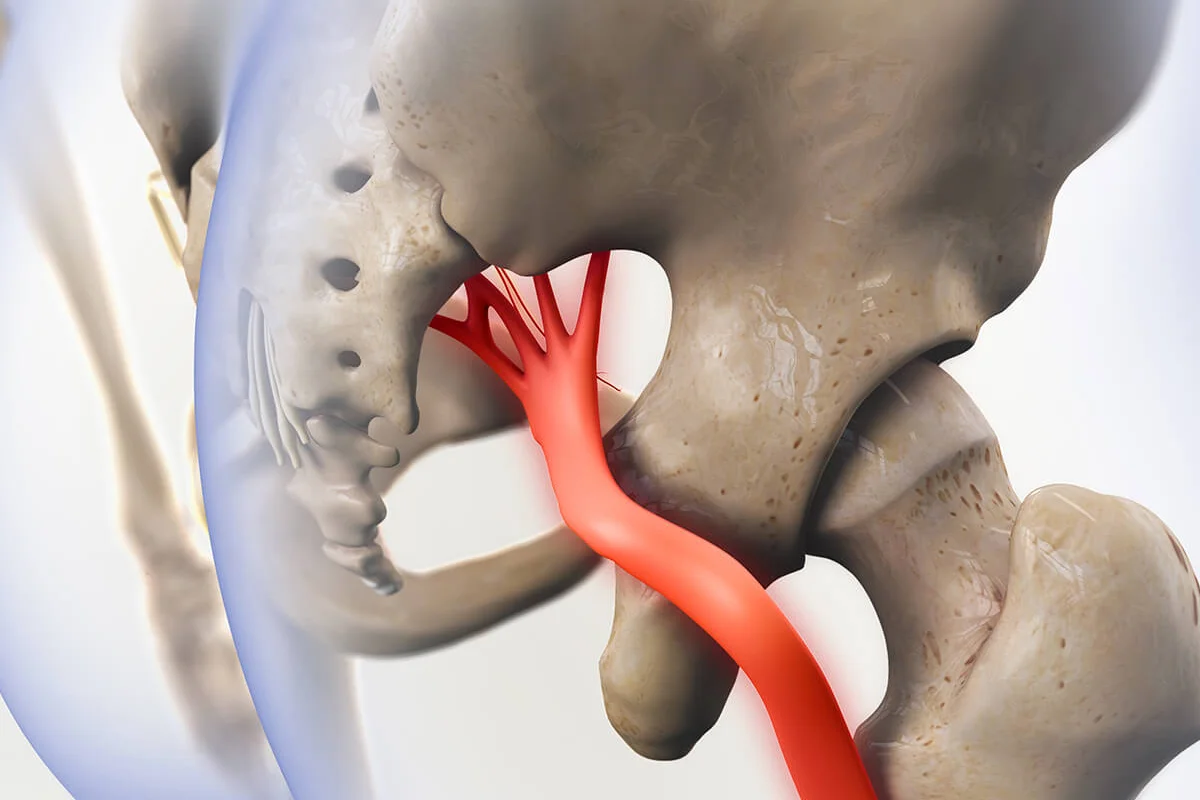
The underlying reasons for this nerve issue almost always trace back to mechanical issues within the lower spinal column. Physical shifts or structural changes in the bones and soft tissues can narrow the spaces where nerves travel.
- Herniated Spinal Discs: A soft spinal cushion can bulge outward or rupture completely, pushing raw material directly against nearby nerve roots. This mechanical compression triggers intense local inflammation and sharp, shooting discomfort down the leg pathway.
- Lumbar Spinal Stenosis: This condition involves a slow, progressive narrowing of the primary spinal canal spaces where nerves travel. It typically occurs in older individuals as the body ages, causing steady pressure on the lower spinal cord roots.
- Spondylolisthesis Displacements: This occurs when a single small bone in your lower spine slips forward over the bone directly beneath it. The sudden structural shift alters the spinal alignment, trapping the nerve roots in the narrow bony opening.
- Degenerative Disc Changes: As your spinal cushions lose water content and flatten over time, the spaces between your vertebrae shrink significantly. This loss of height allows spinal structures to rub together, irritating the surrounding nerve tissue.
- Piriformis Muscle Spasms: A small muscle located deep inside the gluteal region can become tight, swollen, or chronically irritated from overuse. Because the major nerve passes right next to or through this muscle, a spasm pinches the nerve.
- Spinal Joint Subluxations: Minor misalignments in the pelvic bones or lower vertebrae can alter your natural pelvic movement mechanics. These minor structural shifts create uneven physical pressure, directly stretching or pinching the adjacent nerve roots.
Prevention and Treatment
Protecting your lower back requires consistent daily habits and gentle, conservative care strategies. Managing your spinal health early can stop minor nerve irritations from turning into chronic, debilitating issues.
- Maintain Good Posture: Keep your ears, shoulders, and hips aligned when sitting at desks or driving cars for long hours. Avoid slouching forward, as this posture places immense structural pressure on your lower lumbar discs.
- Use Proper Lifting Techniques: Always bend your knees and keep your back straight when lifting items from the floor. Hold heavy objects close to your chest to prevent uneven twisting forces on your lumbar spine.
- Engage in Core Exercises: Strengthen your abdominal and lower back muscles through regular, low-impact physical movements. A strong core acts like a natural brace, protecting your lower back from unexpected strains.
- Apply Targeted Temperature Therapy: Use ice packs on your lower back for fifteen minutes at a time to reduce acute swelling. Switch to warm heating pads after a few days to relax tight, protective muscle spasms.
- Choose Conservative Manual Adjustments: Schedule regular visits with a licensed professional to keep your pelvic joints properly aligned. Gentle manual therapy reduces the mechanical imbalances that cause nerve irritation over time.
How Chiropractic Care Targets the Root Cause of Sciatica
Professional manual therapy does not just mask your lower body pain with temporary chemical cover-ups; it corrects the structural misalignments responsible for the nerve pressure. A systematic study published in the Journal of the American Medical Association provides a modest 10% to 30% reduction in spinal pain scores compared to baseline or ineffective treatments.
- Restoring Spinal Alignment: Gentle manual forces realign displaced vertebrae, opening up the tiny spaces where lower body nerve roots exit the spine. This direct alignment work takes mechanical pressure off the nerve tissue immediately.
- Improving Joint Mobility: Manual therapies break up restrictive scar tissue and restore fluid movement to locked spinal segments. Better joint motion ensures that physical forces distribute evenly across your lower body during movement.
- Easing Muscle Tension: Adjusting the lower spine relaxes the overactive reflex loops that cause deep muscular spasms in the gluteal region. Relaxing these tight tissues removes pressure from the nerve pathway.
- Lowering Systemic Inflammation: Proper joint alignment alters local chemical signals, reducing the cellular swelling that irritates nerve fibers. This natural reduction in swelling brings lasting relief without standard pharmaceutical products.
- Reducing Disk Pressure: Targeted adjustments can create negative pressure inside the spinal joints, helping to pull bulging disc material away from irritated nerves. This structural shift allows damaged cushions to heal naturally without surgery.
- Supporting Nervous System Function: Aligning the physical column removes structural stress, allowing your brain and body to communicate clearly without nerve blocks. Better nerve flow improves muscle control and reduces abnormal sensations.
What to Expect During Your First Chiropractic Visit

Your initial appointment focuses on discovering the exact reason behind your radiating lower body discomfort. The provider performs a series of precise physical checks to build a safe, personalized care strategy.
- Comprehensive Health History: The practitioner asks detailed questions about your past injuries, daily physical habits, and current work setups. Understanding your lifestyle clues the clinician into the repetitive strains affecting your spine.
- Detailed Neurological Assessment: The provider checks your skin sensations, muscle responses, and deep tendon reflexes in both legs. This examination helps determine exactly which nerve root in your lower spine is facing compression.
- Physical Motion Testing: You will perform simple movements, such as bending forward or lifting one leg while lying flat on your back. These basic mobility checks show which positions increase or decrease your nerve symptoms.
- Spinal Palpation Checks: The clinician uses their hands to gently press on the bones and soft tissues of your lower back. This touch identifies hidden joint restrictions, muscle spasms, and localized points of structural inflammation.
- Diagnostic Imaging Review: If your case is complex, the practitioner may take standard spinal X-rays or request an advanced MRI scan. These clear pictures confirm the presence of herniated discs or bone spurs before treatment begins.
- Personalized Care Planning: The clinician explains your specific structural findings in plain, simple words. They outline a clear plan detailing the types of manual adjustments and schedules needed for your recovery.
Living with radiating leg discomfort can feel exhausting, but you do not have to accept it as a permanent limitation. By choosing non-invasive chiropractic care for sciatica, you address the spinal misalignments and disc pressures that trigger your symptoms in the first place. This natural approach helps you avoid the risks of invasive surgeries and the side effects of chronic medication use, allowing your body to rebuild its strength safely.
Taking action early protects your long-term mobility and prevents permanent nerve damage. If you are ready to resolve your lower body pain and regain your active life, connect with the professional team at Urban Care Chiropractic by calling (312) 841-5500 today to arrange your detailed initial spinal assessment.