


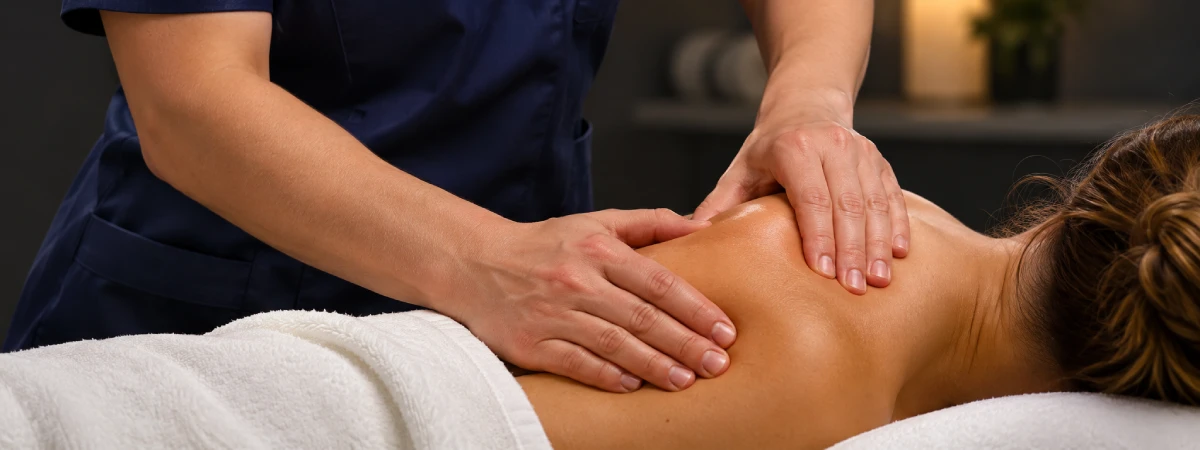
6 Things You Should Never Do Immediately After a Deep Tissue Session
Overview
- Intense pressure causes targeted muscle damage that needs quiet resting time to rebuild tissue fibers.
- Skipping water intake slows the natural removal of metabolic byproducts from deep muscular manipulation.
- Strenuous exercise right after a clinic visit increases localized swelling and delays true healing.
- Exposing treated tissue to extreme temperatures interferes with circulation and inflames sensitive nerve pathways.
- Proper post-treatment habits protect your financial investment in skilled clinical care and physical health.
Deep tissue therapy uses sustained firm pressure to reach underlying layers of muscle, tendon, and fascia. This process releases chronic adhesions, reduces postural restrictions, and restores functional range of motion throughout tight anatomical regions. Receiving treatment is only half of the rehabilitation sequence; the physiological steps you take right away directly dictate the lasting therapeutic outcome.
Proper post-treatment habits prevent prolonged soreness and support healthy tissue remodeling. Following clinical guidelines allows micro-trauma inside treated myofascial fibers to mend efficiently without unwanted inflammation. The following information outlines specific activities that compromise your session results, backed by registered clinical practice standards.
Why Does Deep Tissue Massage Require Specific Aftercare?
Firm mechanical work induces intentional micro-tears in targeted fascia to break down restrictive scar patterns. The body responds to this manipulation by initiating an acute recovery cascade, which requires careful behavioral support over the initial forty-eight hours.
- Microscopic Muscle Tearing: Clinical techniques deliberately stress hypertonic muscle bands to disrupt adhesions. Deep tissue massage aftercare is necessary because manipulated fibers require time to stabilize, synthesize structural proteins, and repair micro-injuries without experiencing added mechanical tension or physical stress from external loads.
- Inflammatory Cascade Regulation: Heavy pressure stimulates local histamines and prostaglandins to spur tissue remodeling. Post-massage recovery guidelines help contain swelling within productive physiological boundaries, preventing extreme tenderness, secondary spasms, and prolonged systemic fatigue from overwhelming the central nervous system.
- Circulatory Redistribution Effects: Targeted manual pressure forces interstitial fluid into lymphatic channels. Myofascial release recovery depends on stable blood pressure and fluid balance, ensuring waste products exit muscle beds while fresh oxygenated blood delivers essential amino acids to healing myofibrils.
- Nervous System Reset: Intense treatment temporarily activates nociceptors before shifting into parasympathetic recovery. Therapeutic massage post-care keeps the autonomic nervous system calm, preventing sympathetic rebound spikes that cause reflex guarding, tension headaches, and acute muscular tightness across treated zones.
6 Things You Should Never Do Immediately After a Deep Tissue Session
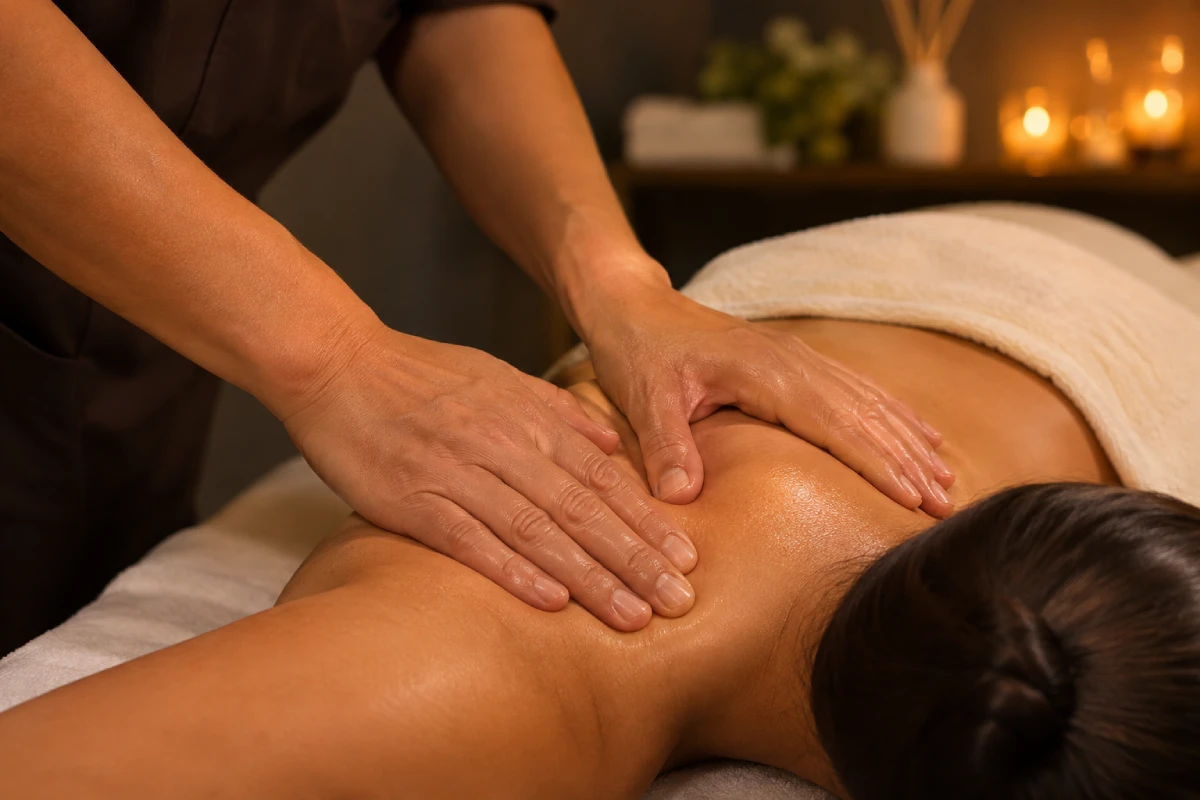
Patient care standards require practitioners to advise patients on appropriate post-treatment modifications to prevent adverse reactions such as acute bruising and post-treatment soreness. Avoiding specific counterproductive habits preserves structural gains.
- Engaging in High-Intensity Exercise: Heavy weightlifting or sprinting tears healing muscle fibers before remodeling starts. Things to avoid after deep tissue work include resistance workouts, as damaged tissue lacks the functional stability to manage heavy loads without increasing the risk of acute strains.
- Sitting Immobile for Extended Hours: Collapsing into an office chair causes newly lengthened postural fibers to shorten and stiffen. Deep tissue therapy precautions advise brief, gentle walking intervals instead of static sitting, preventing pelvic and spinal tissues from freezing back into dysfunctional alignments.
- Consuming Alcoholic Beverages: Alcohol is a diuretic that dehydrates myofascial networks and slows muscle protein synthesis. Post-massage health risks increase when alcohol enters the bloodstream, as it blunts the lymphatic clearance of metabolic waste and prolongs post-treatment muscular aches.
- Taking Scalding Hot Showers: Hot tubs and blistering baths dilate blood vessels excessively across raw, tender muscles. Deep tissue massage contraindications include heat immersion immediately following therapy, as this increases fluid accumulation, exacerbates micro-inflammation, and heightens skin and muscle tenderness.
- Eating Large, Greasy Meals: Digesting dense, high-fat foods diverts circulatory blood volume directly to the stomach. Post-session physical care requires energy for tissue cellular reconstruction, which stalls when the metabolic system redirects oxygen and enzyme production toward processing heavy restaurant food.
- Undergoing Additional Manual Manipulation: Scheduling chiropractic adjustments or aggressive foam rolling on identical regions overwhelms recovering fibers. Deep muscle session recovery demands structural quiet, since stacking mechanical forces triggers protective muscle contractions that undo previous clinical gains.
How Can You Support Muscle Recovery Over the Next 48 Hours?

Post-treatment soreness peaks between 24 and 48 hours, making targeted home care essential for minimizing patient discomfort. Adopting supportive recovery routines ensures muscle tissue adapts positively.
- Systematic Water Consumption: Cellular repair mechanisms rely on adequate intracellular hydration to transport structural nutrients. Hydration after deep tissue therapy lubricates recovering fascia, flushes cellular debris through the kidneys, and prevents tension-related morning headaches that often follow deep cervical and upper-back work.
- Gentle Range-of-Motion Movements: Mild movement keeps blood circulating smoothly through rebuilding connective fibers. Muscle recovery after massage improves through slow unweighted joint circles and light walking, helping postural muscles heal at their correct resting lengths without introducing micro-strains.
- Applying Localized Cold Therapy: Ice packs applied for fifteen-minute intervals constrict distended vessels in tender zones. Managing post-massage soreness with cooling modalities curbs excess interstitial oedema, dulls sensitized nerve endings, and reduces next-day muscular stiffness across deeply worked muscle origins.
- Prioritizing Quality Sleep Hours: Deep anabolic stages of sleep release natural growth factors that rebuild cellular matrixes. Optimizing deep tissue benefits requires eight hours of restorative rest, giving the brain and structural tissues time to repair damage free from physical demands.
Achieving lasting relief from chronic musculoskeletal pain depends on the choices you make after leaving the treatment table. Treating the body with care during the first two days prevents complications, minimizes soreness, and allows altered tissues to reorganize into healthy functional patterns. Respecting these basic recovery principles secures the physical benefits of your clinical appointment.
For professional clinical care tailored to your physical recovery, schedule an assessment with the team at Urban Care Chiropractic, contact us at (312) 841-5500.